“Job Chapter 28”


“Job Tells of Earth’s Treasures”
“Certainly there is a mine for silver And a place for refining gold. Iron is taken from the dust, And copper is smelted from rock. Man puts an end to darkness, And to the farthest limit he searches out. The rock in gloom and deep shadow. He sinks a shaft away from inhabited areas, “Forgotten by the foot;” They hang and swing, away from people. From the earth comes food, And underneath, it is turned over like fire. Its rocks are the source of sapphires, And its dust contains gold. No bird of prey knows the path, Nor has the falcon’s eye caught sight of it. The proud animals have not trodden it, Nor has the lion passed over it. He puts his hand on the flint; He overturns the mountains at the base. He carves out channels through the rocks, And his eye sees anything precious. He dams up the streams from flowing, And brings to light what is hidden.

What conclusion did Job come to in this lesson?
Where does understanding come from?
What was the one thing he asked God for?
The universe is __ creation.


“The Search for Wisdom Is Harder”
“But where can wisdom be found? And where is the place of understanding? Mankind does not know its value, Nor is it found in the land of the living. The ocean depth says, ‘It is not in me’; And the sea says, ‘It is not with me.’ Pure gold cannot be given in exchange for it, Nor can silver be weighed as its price. It cannot be valued in the gold of Ophir, In precious onyx, or sapphire. Gold or glass cannot equal it, Nor can it be exchanged for articles of pure gold. Coral and crystal are not to be mentioned; And the acquisition of wisdom is more valuable than pearls. The topaz of Cush cannot equal it, Nor can it be valued in pure gold. Where then does wisdom come from? And where is this place of understanding? It is hidden from the eyes of every living creature, And concealed from the birds of the sky. Abaddon and Death say, ‘With our ears we have heard a report of it.’ “God understands its way, And He knows its place. For He looks to the ends of the earth; He sees everything under the heavens. When He imparted weight to the wind, And assessed the waters by measure, When He made a limit for the rain, And a course for the thunderbolt, Then He saw it and declared it; He established it and also searched it out. And to mankind He said, ‘Behold, the fear of the Lord, that is wisdom; And to turn away from evil is understanding.’”


“Job Chapter 27”

“Job Affirms His Righteousness”
Job again took up his discourse and said, “As God lives, who has taken away my right, And the Almighty, who has embittered my soul, For as long as life is in me, And the breath of God is in my nostrils, My lips certainly will not speak unjustly, Nor will my tongue mutter deceit. Far be it from me that I should declare you right; Until I die, I will not give up my integrity. I have kept hold of my righteousness and will not let it go. My heart does not rebuke any of my days.

God is recognized as the One who _ in verse 2.
Why was Job’s sin a secret to himself?
If the wicked man’s family be multiplied, it is for what?
When he dies what would men do?

“The State of the Godless”
“May my enemy be as the wicked, And my opponent as the criminal. For what is the hope of the godless when he makes an end of life, When God requires his life? Will God hear his cry? When distress comes upon him? Or will he take pleasure in the Almighty? Will he call on God at all times? I will instruct you in the power of God; What is with the Almighty I will not conceal. Behold, all of you have seen it; Why then do you talk of nothing? “This is the portion of a wicked person from God, And the inheritance which tyrants receive from the Almighty: Though his sons are many, they are destined for the sword; And his descendants will not be satisfied with bread. His survivors will be buried because of the plague, And their widows will not be able to weep. Though he piles up silver like dust, And prepares garments as plentiful as the clay, He may prepare it, but the righteous will wear it And the innocent will divide the silver. He has built his house like the spider’s web, Or a hut which the watchman has made. He lies down rich, but never again; He opens his eyes, and it no longer exists. Terrors overtake him like a flood; A storm steals him away in the night. The east wind carries him away, and he is gone; For it sweeps him away from his place. For it will hurl at him without mercy; He will certainly try to flee from its power. People will clap their hands at him, And will whistle at him from their places.

“Job Rebukes Bildad”

‘Job Chapter 26’


Then Job replied: “How you have helped the powerless! How you have saved the arm that is feeble! What advice you have offered to one without wisdom! And what great insight you have displayed! Who has helped you utter these words? And whose spirit spoke from your mouth?
“The Greatness Of God”
“The dead are in deep anguish, those beneath the waters and all that live in them. The realm of the dead is naked before God; Destruction lies uncovered. He spreads out the northern skies over empty space; he suspends the earth over nothing. He wraps up the waters in his clouds, yet the clouds do not burst under their weight. He covers the face of the full moon, spreading his clouds over it. He marks out the horizon on the face of the waters for a boundary between light and darkness. The pillars of the heavens quake, aghast at his rebuke. By his power he churned up the sea; by his wisdom he cut Rahab to pieces. By his breath the skies became fair; his hand pierced the gliding serpent. And these are but the outer fringe of his works; how faint the whisper we hear of him! Who then can understand the thunder of his power?”

  1. What had driven Bildad to some of these accusations?
  2. Who had Bildad been used of in accusing Job?
  3. Even hell is within the view of __.
  4. Where did Bildad think God was?
  5. What is verse 7 saying about what God had done?
  6. Who releases the rain to the earth?
  7. How is the throne of God in heaven hidden from the human eye?
  8. God set the bounds of the _.
  9. What causes things in heaven to tremble?
  10. Who formed the crooked serpent?
  11. What did Job ask Bildad in verse 2 of chapter 26?
  12. What had Bildad said about Job?

“Bildad Says Man is Inferior”

‘Job Chapter 25’

Then Bildad the Shuhite replied: “Dominion and awe belong to God; he establishes order in the heights of heaven. Can his forces be numbered? On whom does his light not rise? How then can a mortal be righteous before God? How can one born of woman be pure? If even the moon is not bright and the stars are not pure in his eyes, how much less a mortal, who is but a maggot— a human being, who is only a worm!”

  1. Who spoke in the first and second verse, here?
  2. What two things was Bildad saying in this chapter?
  3. When is the only time there will be real peace on the earth?
  4. How many chariots do many Scriptures say God has?
  5. When is the first specific mention of armed guards of God on the earth?
  6. Every __ _________is the answer to “upon whom doth not his light shine?”
  7. What is the Light within the believers?
  8. It is the _ of man that is born in sin.
  9. What does “justified” mean?
  10. What are the moon and the stars?
  11. Who is the source of all Light?
  12. What did he call man in verse 6?
  13. What had Bildad forgotten?

“Job Says God Seems to Ignore Wrongs”

‘Job Chapter 24’

“Why does the Almighty not set times for judgment? Why must those who know him look in vain for such days? There are those who move boundary stones; they pasture flocks they have stolen. They drive away the orphan’s donkey and take the widow’s ox in pledge. They thrust the needy from the path and force all the poor of the land into hiding. Like wild donkeys in the desert, the poor go about their labor of foraging food; the wasteland provides food for their children. They gather fodder in the fields and glean in the vineyards of the wicked. Lacking clothes, they spend the night naked; they have nothing to cover themselves in the cold. They are drenched by mountain rains and hug the rocks for lack of shelter. The fatherless child is snatched from the breast; the infant of the poor is seized for a debt. Lacking clothes, they go about naked; they carry the sheaves, but still go hungry. They crush olives among the terraces ; they tread the winepresses, yet suffer thirst. The groans of the dying rise from the city, and the souls of the wounded cry out for help. But God charges no one with wrongdoing. “There are those who rebel against the light, who do not know its ways or stay in its paths. When daylight is gone, the murderer rises up, kills the poor and needy, and in the night steals forth like a thief. The eye of the adulterer watches for dusk; he thinks, ‘No eye will see me,’ and he keeps his face concealed. In the dark, thieves break into houses, but by day they shut themselves in; they want nothing to do with the light. For all of them, midnight is their morning; they make friends with the terrors of darkness. “Yet they are foam on the surface of the water; their portion of the land is cursed, so that no one goes to the vineyards. As heat and drought snatch away the melted snow, so the grave snatches away those who have sinned. The womb forgets them, the worm feasts on them; the wicked are no longer remembered but are broken like a tree. They prey on the barren and childless woman, and to the widow they show no kindness. But God drags away the mighty by his power; though they become established, they have no assurance of life. He may let them rest in a feeling of security, but his eyes are on their ways. For a little while they are exalted, and then they are gone; they are brought low and gathered up like all others; they are cut off like heads of grain. “If this is not so, who can prove me false and reduce my words to nothing?”

  1. What was Job saying in verse 1?
  2. God may allow the evil one to continue for a while, but there is a day of __.
  3. What were some of the sins that these evil people committed, that Job listed in verses 2, 3, and 4?
  4. These were not accusations against _.
  5. What were the evil men compared to in verse 5?
  6. How were they alike?
  7. What was one specific group this could be speaking of?
  8. What did the robbers do, besides rob the strangers passing through the land?
  9. Who were the naked, in verse 7?
  10. Where did these marauding tribes hide?
  11. What had these wicked people taken for pledge, that was forbidden by God?
  12. The oppressors were making wine with what?
  13. It appeared, that this type of sin was going unnoticed by __.
  14. What Light had these evil men rejected?
  15. When did the murderer choose to kill?
  16. Why did he choose that particular time?
  17. When did the thief choose to steal?
  18. What was one of the worst sins, besides murder, the evil committed?
  19. How did the robbers know which house to rob?
  20. What would, probably, happen to a burglar, if he was caught?
  21. What was verse 18 speaking of?
  22. How certain was it that the murderer would be punished of God?
  23. What was meant by the womb forgetting him, in verse 20?
  24. Who did the evil man torment?
  25. _ _ were on these wicked men.

“Job Says He Longs For God”

‘Job Chapter 23’

Then Job replied: “Even today my complaint is bitter; his hand is heavy in spite of my groaning. If only I knew where to find him; if only I could go to his dwelling! I would state my case before him and fill my mouth with arguments. I would find out what he would answer me, and consider what he would say to me. Would he vigorously oppose me? No, he would not press charges against me. There the upright can establish their innocence before him, and there I would be delivered forever from my judge. “But if I go to the east, he is not there; if I go to the west, I do not find him. When he is at work in the north, I do not see him; when he turns to the south, I catch no glimpse of him. But he knows the way that I take; when he has tested me, I will come forth as gold. My feet have closely followed his steps; I have kept to his way without turning aside. I have not departed from the commands of his lips; I have treasured the words of his mouth more than my daily bread. “But he stands alone, and who can oppose him? He does whatever he pleases. He carries out his decree against me, and many such plans he still has in store. That is why I am terrified before him; when I think of all this, I fear him. God has made my heart faint; the Almighty has terrified me. Yet I am not silenced by the darkness, by the thick darkness that covers my face.

  1. What did Job say in verse 2?
  2. Why was Job’s complaint bitter?
  3. Who did it appear Job was seeking?
  4. If he had been able to find Him, the trial would not have been __.
  5. What was Job sure would happen if he could get an audience with God?
  6. What was “arguments”, in verse 4, speaking of?
  7. What was Job assured he would understand, if he could hear from God?
  8. In verse 6, God, would __ Job.
  9. What does the author wish that we would have when we stand before our Judge?
  10. Why did Job want his judgement to come now?
  11. What was Job’s original complaint?
  12. What was difficult for Job to comprehend?
  13. What must we continue to remember in these lessons about Job?
  14. Why did Job believe he could not reach out and touch God?
  15. If Job did not falter, who would it witness to?
  16. Job believed when God tried him, he would come out as _.
  17. Job had walked on the and path.
  18. Where must Christians walk?
  19. A Christian is a in and a _ of Jesus Christ.
  20. How do we know that Job thought more of the Word of God, than he did physical food?
  21. In verse 14, it was as if Job was saying what?
  22. Job was troubled at God’s _.
  23. What was verse 16 saying?
  24. What were Job’s two complaints in verse 17?

“Eliphaz Accuses and Exhorts Job”

‘Job Chapter 22’


Then Eliphaz the Temanite replied: “Can a man be of benefit to God? Can even a wise person benefit him? What pleasure would it give the Almighty if you were righteous? What would he gain if your ways were blameless? “Is it for your piety that he rebukes you and brings charges against you? Is not your wickedness great? Are not your sins endless? You demanded security from your relatives for no reason; you stripped people of their clothing, leaving them naked. You gave no water to the weary and you withheld food from the hungry, though you were a powerful man, owning land— an honored man, living on it. And you sent widows away empty-handed and broke the strength of the fatherless. That is why snares are all around you, why sudden peril terrifies you, why it is so dark you cannot see, and why a flood of water covers you. “Is not God in the heights of heaven? And see how lofty are the highest stars! Yet you say, ‘What does God know? Does he judge through such darkness? Thick clouds veil him, so he does not see us as he goes about in the vaulted heavens.’ Will you keep to the old path that the wicked have trod? They were carried off before their time, their foundations washed away by a flood. They said to God, ‘Leave us alone! What can the Almighty do to us?’ Yet it was he who filled their houses with good things, so I stand aloof from the plans of the wicked. The righteous see their ruin and rejoice; the innocent mock them, saying, ‘Surely our foes are destroyed, and fire devours their wealth.’ “Submit to God and be at peace with him; in this way prosperity will come to you. Accept instruction from his mouth and lay up his words in your heart. If you return to the Almighty, you will be restored: If you remove wickedness far from your tent and assign your nuggets to the dust, your gold of Ophir to the rocks in the ravines, then the Almighty will be your gold, the choicest silver for you. Surely then you will find delight in the Almighty and will lift up your face to God. You will pray to him, and he will hear you, and you will fulfill your vows. What you decide on will be done, and light will shine on your ways. When people are brought low and you say, ‘Lift them up!’ then he will save the downcast. He will deliver even one who is not innocent, who will be delivered through the cleanness of your hands.”

  1. God does not look to man to __ Him.
  2. The only thing man has to give to God, is his and his ______.
  3. What was Job’s friend insinuating in verse 3?
  4. What did Job know about himself, that was the opposite of what Eliphaz said?
  5. What did Eliphaz keep on telling Job about the problems he was having?
  6. How do many ministries today remind us of what Eliphaz is doing to Job here?
  7. What 2 sins did Eliphaz specifically mention in verse 6?
  8. Had Job really done this?
  9. What 2 additional sins did he mention in verse 7?
  10. Who was the mighty man, in verse 8, supposed to be?
  11. Which of the accusations that Eliphaz made were the most offensive to Job?
  12. Job did fear God, but not for the __ Eliphaz mentioned.
  13. The darkness that seemed to surround Job was from __ and not from _.
  14. Where did Eliphaz say that God is?
  15. What does omnipresent mean?
  16. Can God judge through the dark cloud?
  17. are a covering to Him.
  18. Where did Eliphaz believe that God walked?
  19. What did Eliphaz believe about the path that Job was walking?
  20. Why does the author say that the flood, in verse 16, is not necessarily speaking of the flood of Noah?
  21. Who survived Noah’s flood?
  22. The question, in verse 17, was of __ men.
  23. In verse 18, Eliphaz was trying to prove what?
  24. The righteous see the __ prosper, and that discourages them.
  25. In the end, the __ would consume the wicked.
  26. What suggestion was Eliphaz making to Job in verses 21 and 22.
  27. What did Eliphaz promise Job, if he would repent?
  28. In verse 24, Eliphaz was speaking that _ automatically went with being in right standing with God.
  29. What does “silver” mean spiritually?
  30. What was Eliphaz saying in verse 29?
  31. What did Eliphaz say prophetically unknowingly?

“Job Say’s”


“God Will Deal With The Wicked”
‘Job Chapter 21’

Then Job replied: “Listen carefully to my words; let this be the consolation you give me. Bear with me while I speak, and after I have spoken, mock on. “Is my complaint directed to a human being? Why should I not be impatient? Look at me and be appalled; clap your hand over your mouth. When I think about this, I am terrified; trembling seizes my body. Why do the wicked live on, growing old and increasing in power? They see their children established around them, their offspring before their eyes. Their homes are safe and free from fear; the rod of God is not on them. Their bulls never fail to breed; their cows calve and do not miscarry. They send forth their children as a flock; their little ones dance about. They sing to the music of timbrel and lyre; they make merry to the sound of the pipe. They spend their years in prosperity and go down to the grave in peace. Yet they say to God, ‘Leave us alone! We have no desire to know your ways. Who is the Almighty, that we should serve him? What would we gain by praying to him?’ But their prosperity is not in their own hands, so I stand aloof from the plans of the wicked. “Yet how often is the lamp of the wicked snuffed out? How often does calamity come upon them, the fate God allots in his anger? How often are they like straw before the wind, like chaff swept away by a gale? It is said, ‘God stores up the punishment of the wicked for their children.’ Let him repay the wicked, so that they themselves will experience it! Let their own eyes see their destruction; let them drink the cup of the wrath of the Almighty. For what do they care about the families they leave behind when their allotted months come to an end? “Can anyone teach knowledge to God, since he judges even the highest? One person dies in full vigor, completely secure and at ease, well nourished in body,bones rich with marrow. Another dies in bitterness of soul, never having enjoyed anything good. Side by side they lie in the dust, and worms cover them both. “I know full well what you are thinking, the schemes by which you would wrong me. You say, ‘Where now is the house of the great, the tents where the wicked lived?’ Have you never questioned those who travel? Have you paid no regard to their accounts— that the wicked are spared from the day of calamity, that they are delivered from the day of wrath? Who denounces their conduct to their face? Who repays them for what they have done? They are carried to the grave, and watch is kept over their tombs. The soil in the valley is sweet to them; everyone follows after them, and a countless throng goes before them. “So how can you console me with your nonsense? Nothing is left of your answers but falsehood!”

  1. What did Job ask of his friends in verse 2?
  2. What did he say they could do, after they listened to him?
  3. Job was thankful that his __ were not his judge.
  4. If they had been his judge, he would have been troubled in his __.
  5. In verse 5, what did Job mean by “mark me”?
  6. If his friends only knew the truth, they would cover their __.
  7. What was Job saying in verse 6?
  8. How did Job contradict what his friends had said in verse 7?
  9. How did Job describe the life of the wicked many times?
  10. In verse 14, what did Job say the wicked said to God?
  11. Who did Job say made the rash statement in verse 15?
  12. How did Job feel about the counsel of his friends?
  13. Why did Job not recognize what was happening to him as coming from Satan?
  14. The wicked are as _ before the wind.
  15. Why does God chasten His own from time to time?
  16. In verse 21, Job was speaking from first-hand __.
  17. Why can a person not teach God?
  18. What two things had Job noticed about those who die?
  19. The flesh of man was not intended to live _.
  20. What is it made from?
  21. What is the part of man that lives on?
  22. Job’s friends’ accusations were __.
  23. Why were they judging Job guilty?
  24. The wicked is reserved to the day of _.
  25. What special attention was paid the rich man at his death?

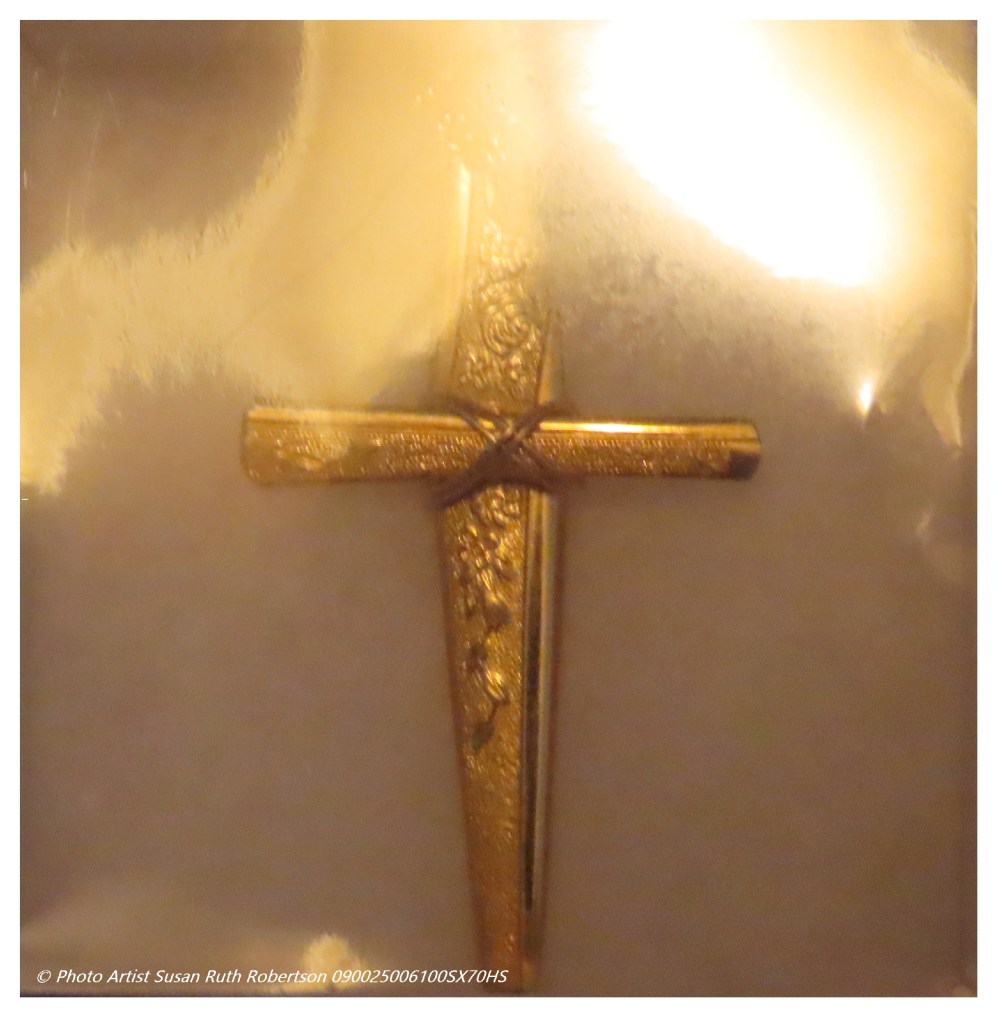
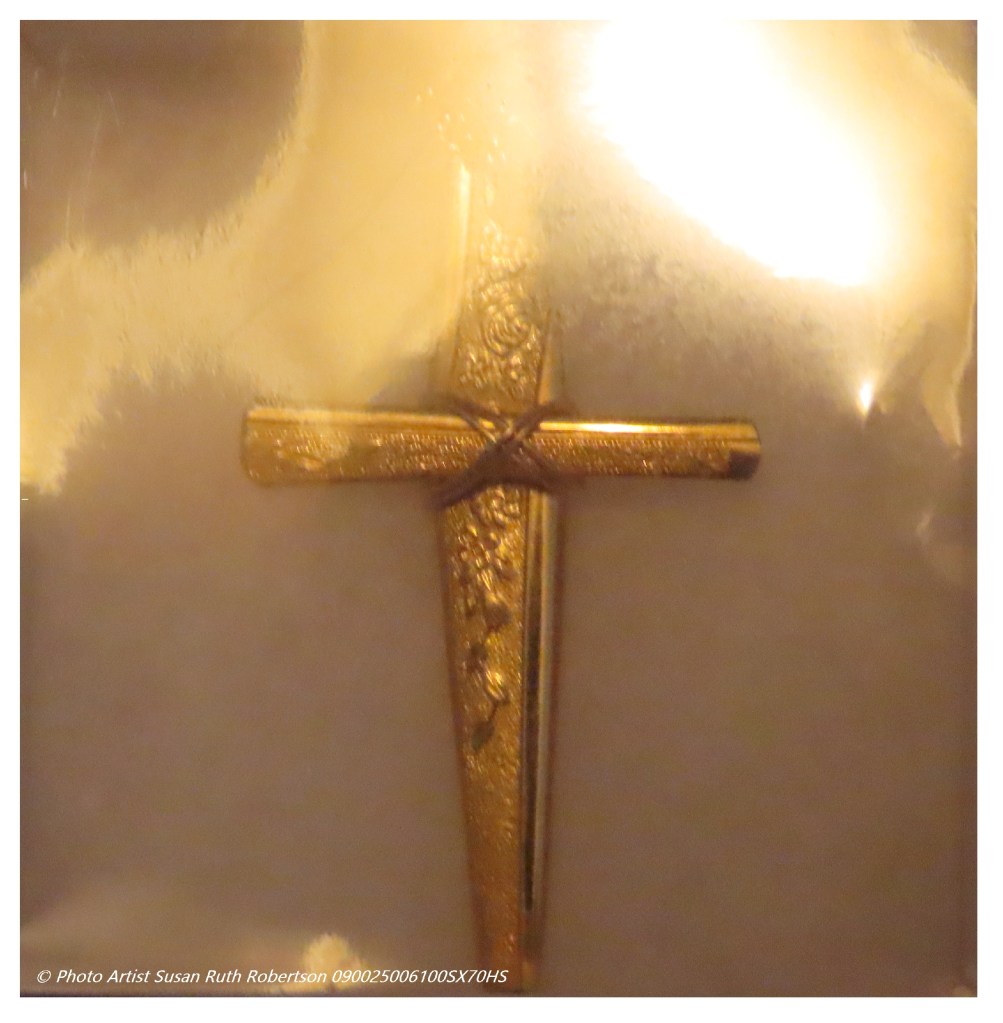
“Homemade Cross”


Cross was made from the handles of a fork and spoon and chain and clasp and wire.
Fork – We have a God who picks us up and carries us all the way through, when we can’t walk anymore. In all their distress he too was distressed, and the angel of his presence saved them. “In his love and mercy he redeemed them, He lifted them up and carried them all the days of old.

Isaiah 63:9

Spoon – God carries us when we are weak ,fights our battles for us ,and sustains us with His goodness : “And in the wilderness. There you saw how the Lord your God carried you, as a father carries his son, all the way you went until you reached this place.

Deuteronomy 1:31

Chain, clasp and wire – When we fall and cannot carry on anymore, God promises to carry us on His shoulders: As an eagle that stirs up her nest, that flutters over her young, He spread abroad His wings and He took them, He bore them on His pinions.

Deuteronomy 32 :11

“Then Jesus said to his disciples, “Whoever wants to be my disciple must deny themselves and take up their cross and follow me.

Matthew 16:24 “

“Zophar Say’s”

‘The Triumph of the Wicked Is Short’

‘Job Chapter 20’

Then Zophar the Naamathite replied: “My troubled thoughts prompt me to answer because I am greatly disturbed. I hear a rebuke that dishonors me, and my understanding inspires me to reply. “Surely you know how it has been from of old, ever since mankind was placed on the earth, that the mirth of the wicked is brief, the joy of the godless lasts but a moment. Though the pride of the godless person reaches to the heavens and his head touches the clouds, he will perish forever, like his own dung; those who have seen him will say, ‘Where is he?’ Like a dream he flies away, no more to be found, banished like a vision of the night. The eye that saw him will not see him again; his place will look on him no more. His children must make amends to the poor; his own hands must give back his wealth. The youthful vigor that fills his bones will lie with him in the dust. “Though evil is sweet in his mouth and he hides it under his tongue, though he cannot bear to let it go and lets it linger in his mouth, yet his food will turn sour in his stomach; it will become the venom of serpents within him. He will spit out the riches he swallowed; God will make his stomach vomit them up. He will suck the poison of serpents; the fangs of an adder will kill him. He will not enjoy the streams, the rivers flowing with honey and cream. What he toiled for he must give back uneaten; he will not enjoy the profit from his trading. For he has oppressed the poor and left them destitute; he has seized houses he did not build. “Surely he will have no respite from his craving; he cannot save himself by his treasure. Nothing is left for him to devour; his prosperity will not endure. In the midst of his plenty, distress will overtake him; the full force of misery will come upon him. When he has filled his belly, God will vent his burning anger against him and rain down his blows on him. Though he flees from an iron weapon, a bronze-tipped arrow pierces him. He pulls it out of his back, the gleaming point out of his liver. Terrors will come over him; total darkness lies in wait for his treasures. A fire unfanned will consume him and devour what is left in his tent. The heavens will expose his guilt; the earth will rise up against him. A flood will carry off his house, rushing waters on the day of God’s wrath. Such is the fate God allots the wicked, the heritage appointed for them by God.”

  1. Who answered Job in this chapter?
  2. I have heard the _ of my reproach.
  3. What did Zophar say had been since the beginning of the earth?
  4. Zophar believed Job was a __.
  5. Why had Zophar spoken so harshly in verses 6 and 7 to Job?
  6. The quickness of his departure is compared to what in verse 8?
  7. What was verse 9 a threat of?
  8. What sins of Job did Zophar bring up in verse 11?
  9. Verse 12 and 13 was speaking of the sweetness of __.
  10. What had he done with his riches?
  11. What were some of the things the wicked man would not live to see?
  12. Why would the wicked man not get to enjoy what he had worked for?
  13. The iron weapon, in verse 24, was speaking of what?
  14. What was the gall speaking of in verse 25?
  15. What was the fire in verse 26?
  16. Who was left in Job’s house?
  17. Why did Zophar speak of heaven and earth in verse 27?
  18. The increase of Job would have been his __.
  19. They were __ at the time Zophar said this.
  20. What was Zophar’s opinion of Job?