
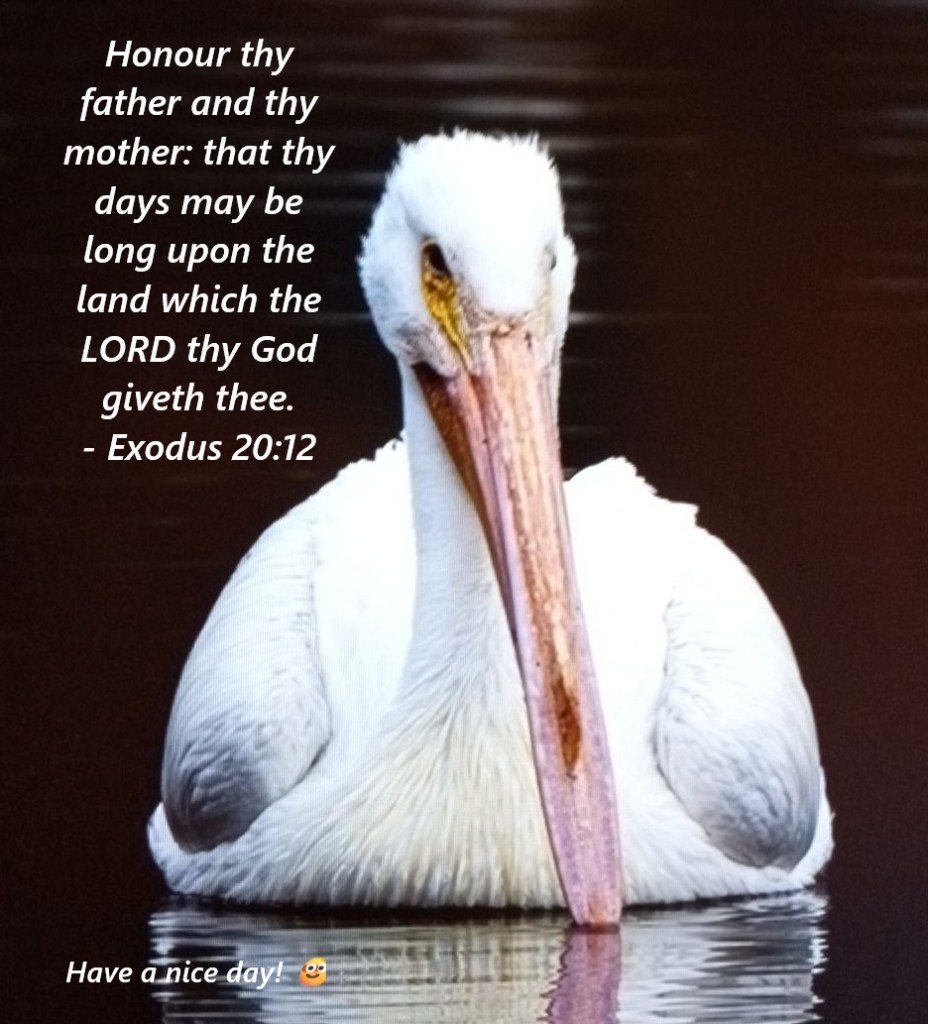
Honour thy father and thy mother: that thy days may be long upon the land which the LORD thy God giveth thee.
– Exodus 20:12
This is such a beautiful reminder of legacy, respect, and the blessings tied to honoring those who came before us. It’s one of the Ten Commandments, and it carries both a spiritual and practical promise, long life and rootedness in the land God gives.
When people don’t honor their parents, the consequences can be deep and far-reaching, both spiritually and practically.
Biblical consequences in scripture, dishonoring parents was seen as rebellion against God’s order. In Deuteronomy and Proverbs, it’s linked to brokenness, shortened life, and even societal decay. The commandment in Exodus 20:12 isn’t just about family, it’s about covenant, legacy, and the health of a community.
Spiritual implications Dishonor can sever generational blessings. It can block healing, wisdom, and restoration. But God is merciful. Even when honor is broken, He offers paths to reconciliation, through forgiveness, repentance, and grace. Think of how Jesus restored Peter after denial, or how Joseph honored his father despite betrayal by his brothers.
Practical impact When honor breaks down, families fracture. Children may carry bitterness, and parents may feel rejected. But sometimes dishonor stems from deep wounds, abuse, neglect, or injustice. In those cases, honoring might look like setting boundaries, seeking healing, and choosing forgiveness without enabling harm.
 "Only Life Changes"